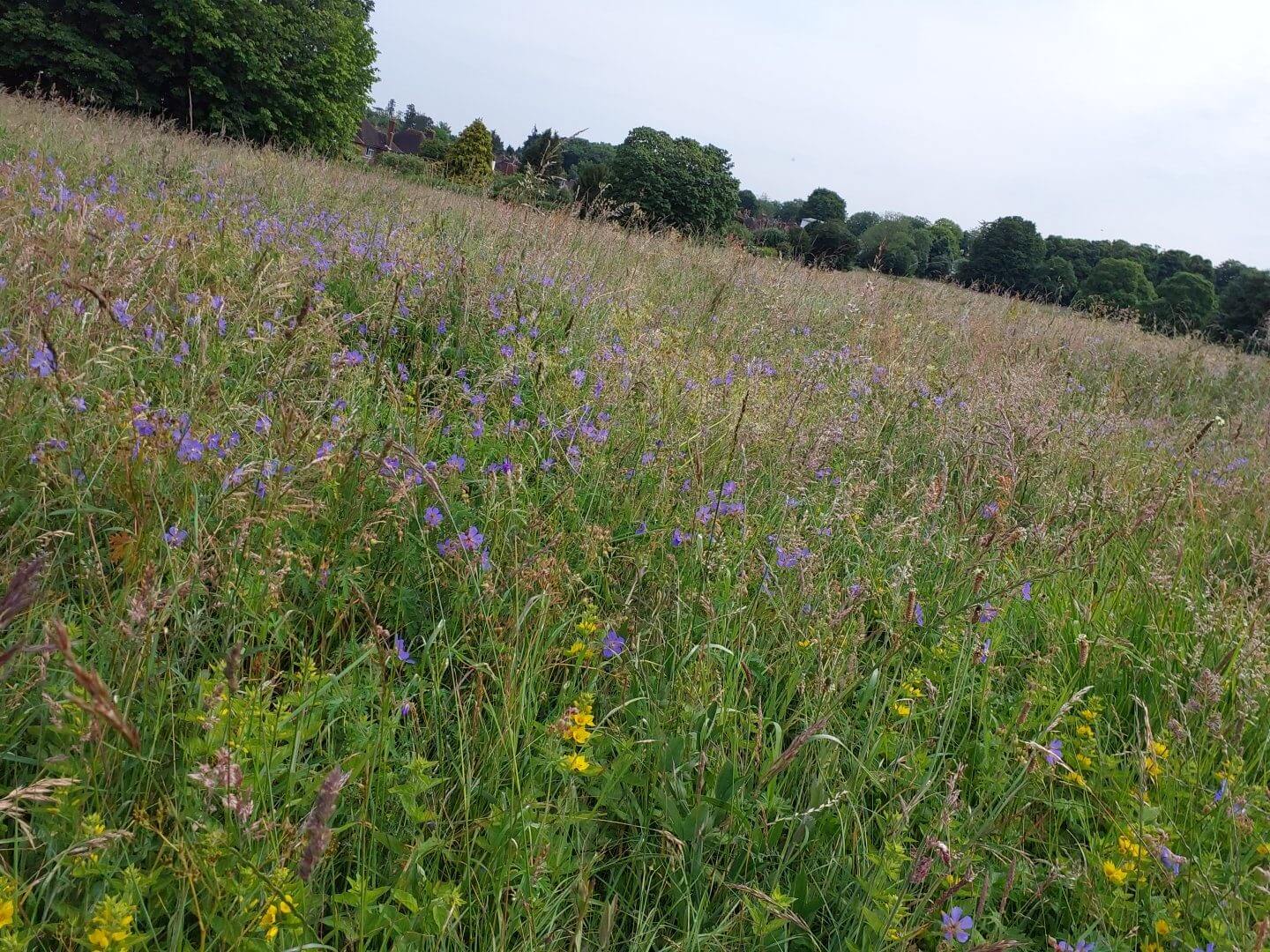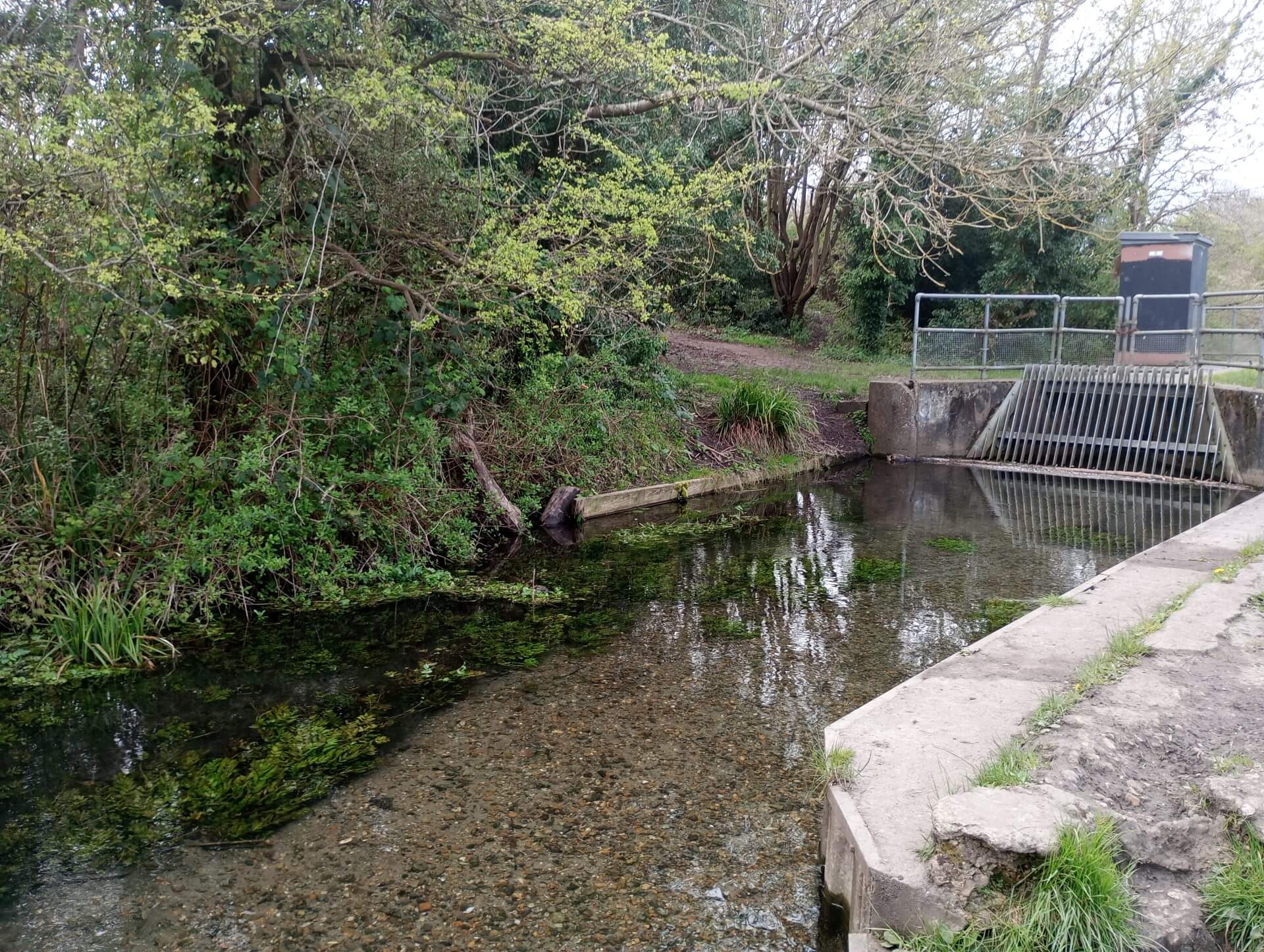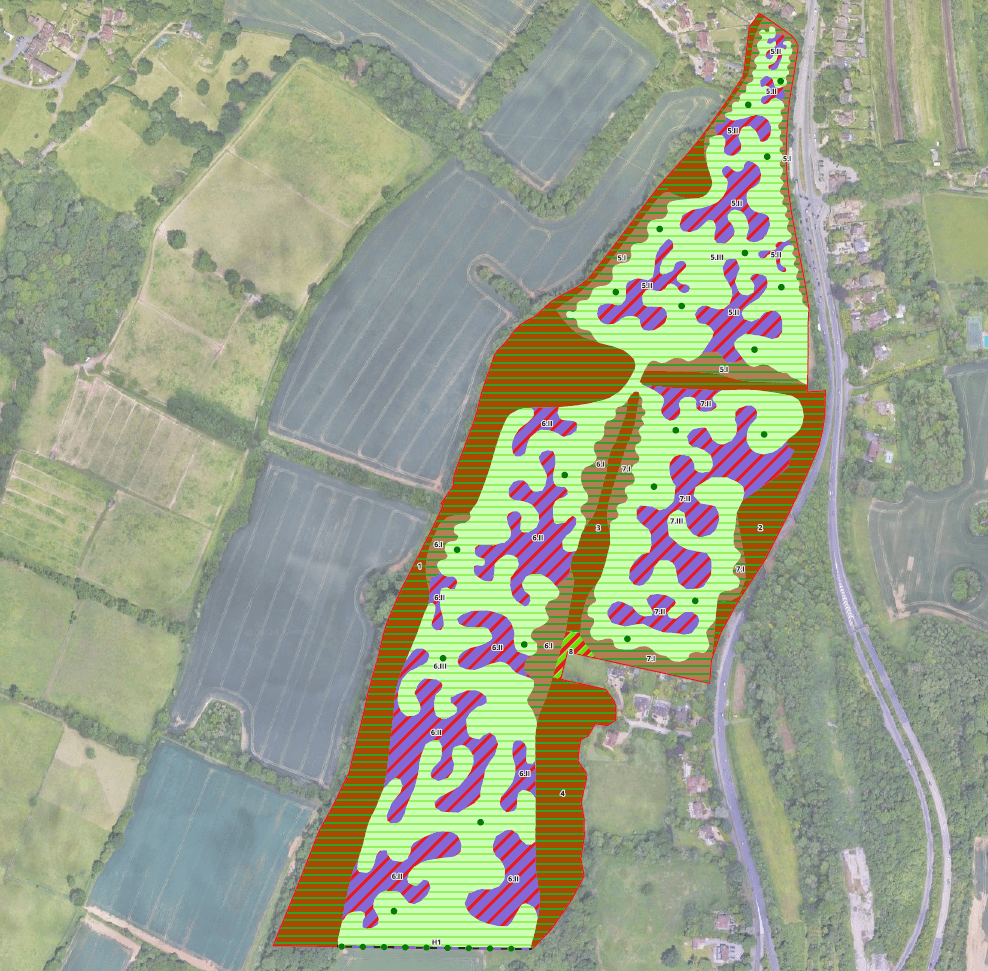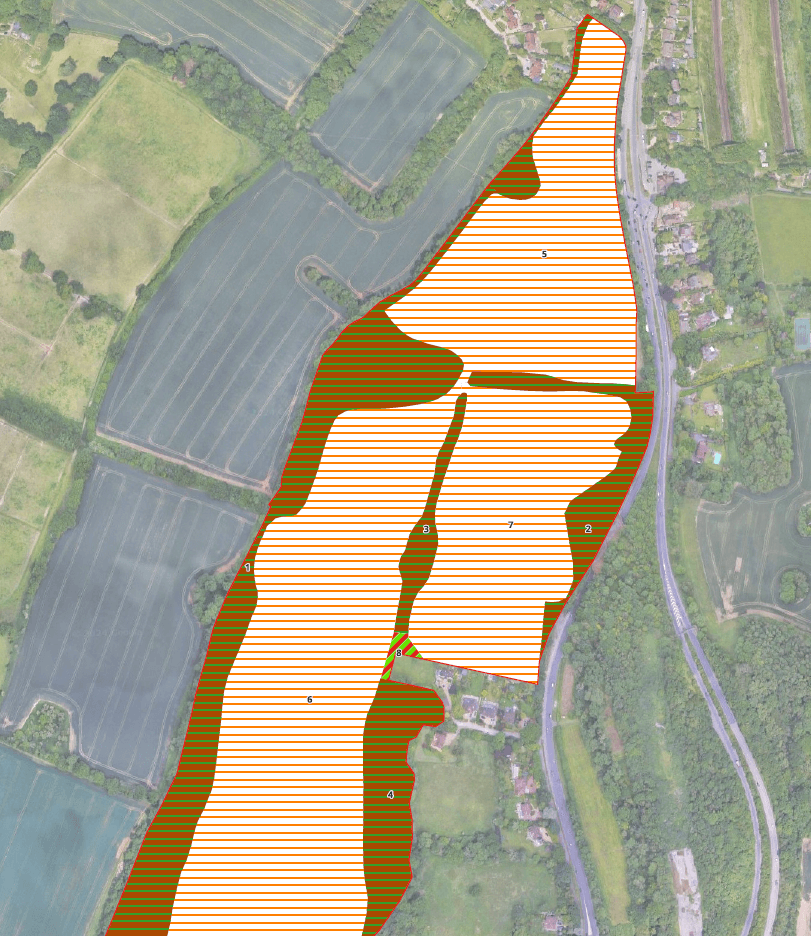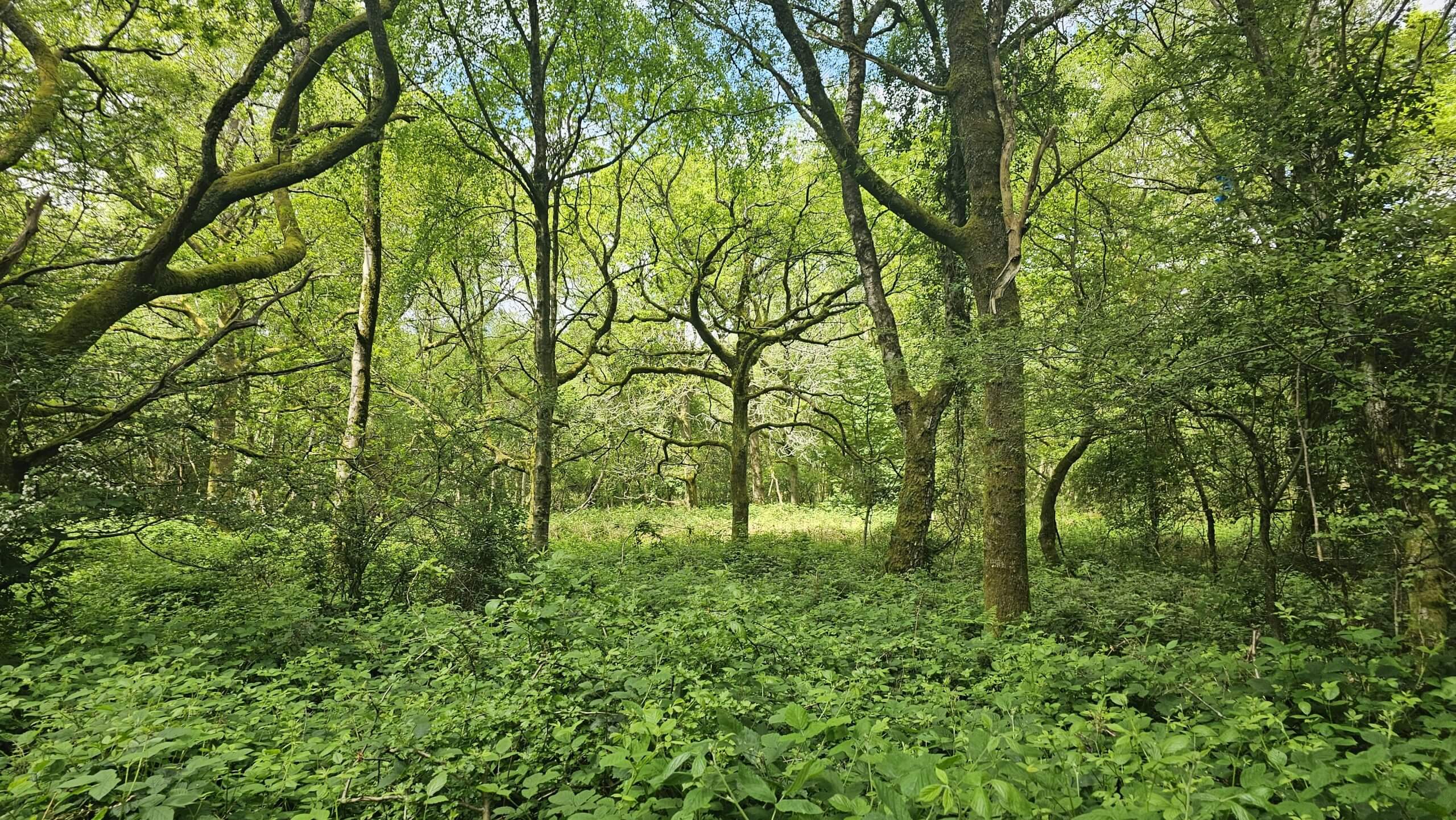
For each of the 54 sites to undergo assessment, we were asked to provide up to 3 BNG scenarios. The BNG scenario with the greatest net gain was assessed using Natural England’s Environmental Benefits From Nature Tool to identify other environmental benefits that might be achieved, including natural flood management, carbon sequestration, food provision, and amenity improvements.
Other factors to be considered in designing enhancement scenarios included Biodiversity Opportunity Areas (in place of a local nature recovery strategy) and flood opportunity areas.
Challenge
Collection of data presented a challenge in ensuring that each habitat was surveyed within its optimal survey period. Some of the more complex habitat types frequently encountered included heathland, lowland fen, floodplain wetland mosaic, ancient woodlands and priority acid, calcareous and neutral grasslands.
Challenges were also encountered in developing BNG proposals, given the current land use and management of many of the sites. For example, public parks that are important for recreation in urban areas must retain this capability.
Approach
After an initial start up meeting with the client, a detailed survey program was developed to ensure sites could be surveyed at an optimal time for its component habitat type, and any survey potential survey limitations such as surveying grasslands post mowing could be avoided.
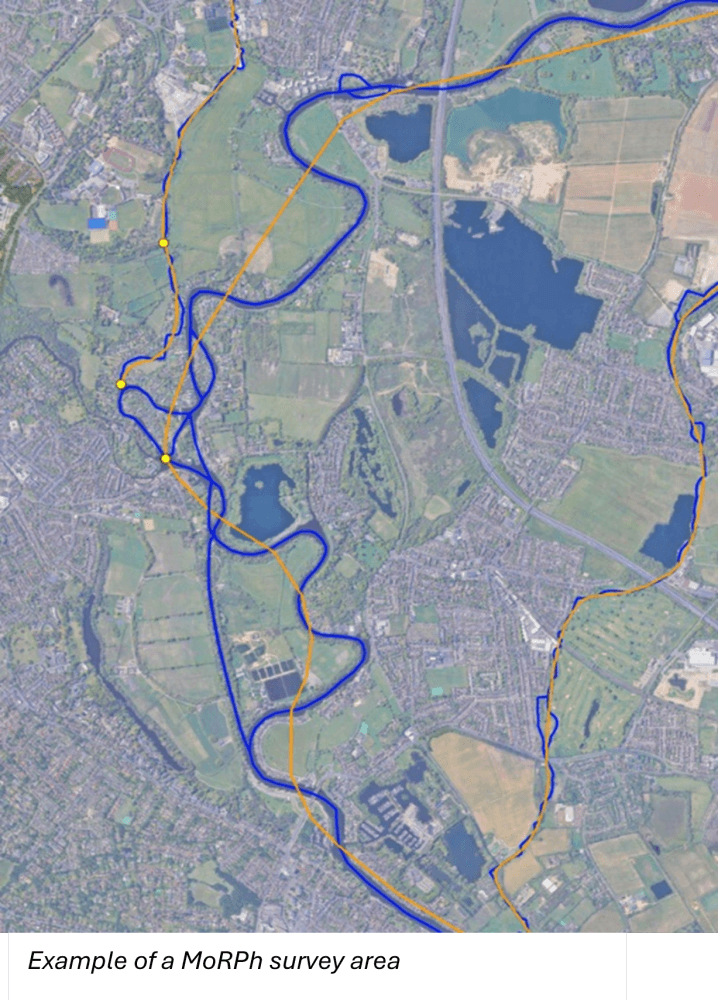
First, Modular River Physical (MoRPh) Condition assessments were undertaken, taking around 4 weeks for a survey team to cover the 29 kilometres of watercourses. These were undertaken as separate stand-alone site visits, due to the high volume of data to be gathered. Keystone utilised tablets and the Cartographer app to ensure this was as efficient as possible.
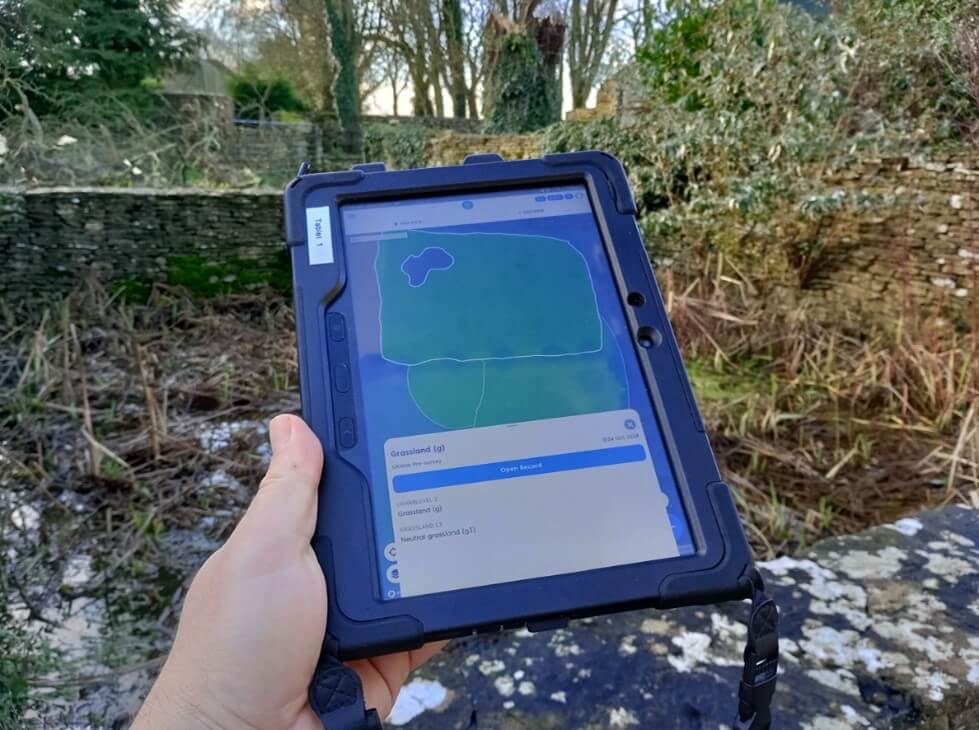
Over 9 survey weeks, terrestrial UK Habitats classifications and condition assessments were undertaken. Data was gathered using the Coreo application on a tablet. This meant that shapefiles, species and quadrat data, as well as condition assessments could all be exported from Coreo into Keystone’s BNG feasibility format developed specifically for this project, streamlining the reporting and mapping process significantly.
Finally, Keystone’s experienced ecology team developed up to bespoke 3 enhancement strategies for each site, prioritising habitats based on presence of Biodiversity Opportunity Areas, flood opportunities, unit yield, practicality of creation and management and unit yield.
Outcome
The 54 site reports, varying in size from 50 to over 100 pages, with 3 to 10 plans each, were issued to the county, district and borough councils. These have then formed the basis for further discussions and meetings with the county and boroughs as to how some of these sites may be taken forward by the local authorities, and how new management plans can be designed and implemented to secure BNG.
By working through each site with a local authority, Keystone was able to give a greater understanding of what forms a good potential BNG banking site, in terms of baseline habitat type and condition, and which habitat creation or enhancement measures may provide the most cost-effective and efficient yield of units.